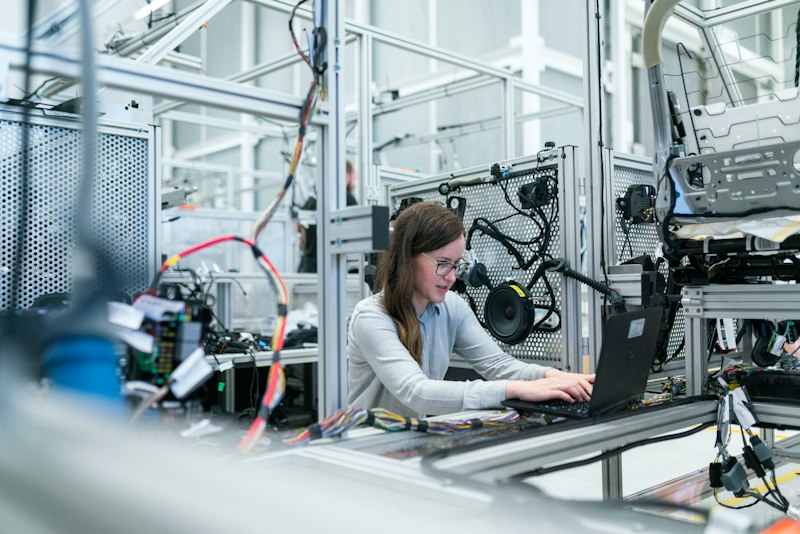
SAFE SCIENCE IS GOOD Science.
We protect researchers, communities and ecosystems. Biosafety, chemical safety, radiation, fieldwork and biosecurity — translated into clear SOPs, audits and hands-on training for universities, biotech and hospitals.
01 — About ResearchSafety.org
We make high-risk research survivable and sustainable
Originally an inter-university biosafety mailing list, researchsafety.org grew into an independent nonprofit knowledge hub. We don't sell PPE. We don't lobby. We write the checklists, SOP templates and incident lessons that EHS officers actually use at 2 a.m.
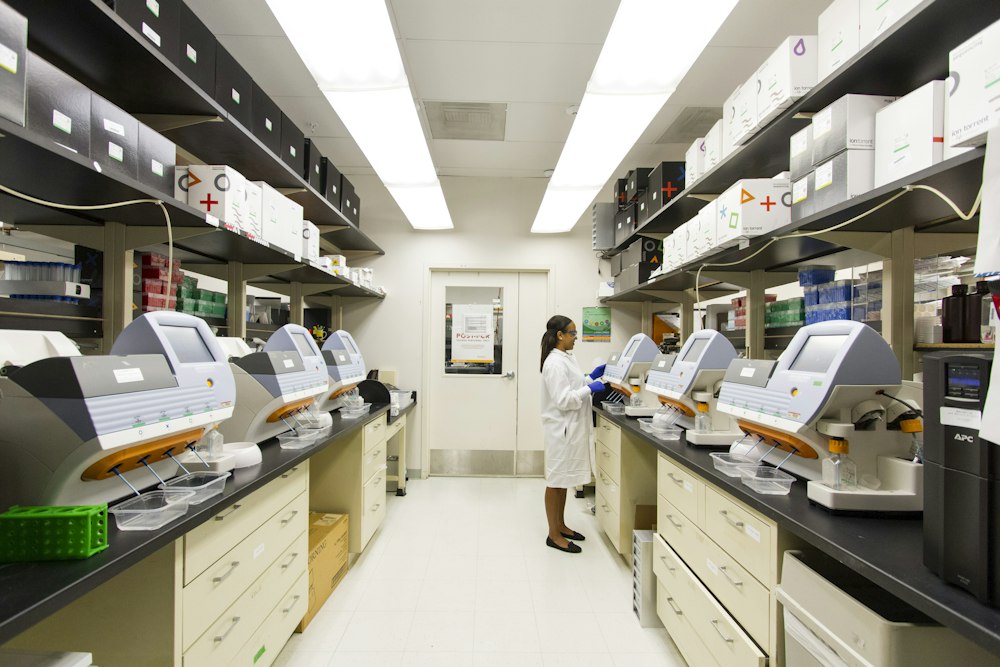
Our scope: wet labs, animal facilities, BSL-3 suites, chemistry stores, maker-bio spaces, Arctic to tropical field stations, and dual-use research oversight. If it can spill, splash, ignite, infect or escape — we cover it.
Zero preventable harm
No student should lose eyesight to a splash, no tech should inhale an unknown vapor, no community should face a preventable release.
Safety as method
Risk assessment as routine as pipette calibration — embedded in grants, onboarding, and thesis design.
02 — Core pillars
Six domains. One safety culture.
Click through the pillars we audit. Each includes SOP pack, training video, signage and competency quiz.
Biological containment
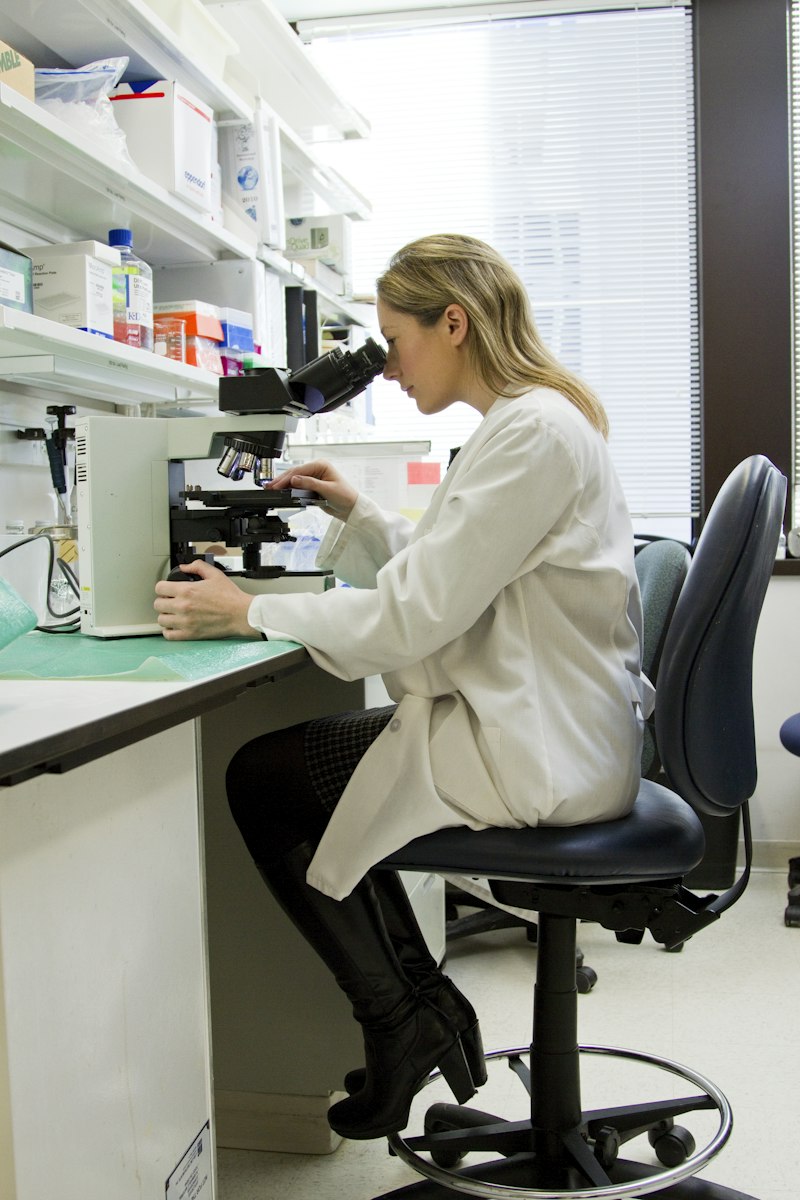
Risk groups, BSC use, centrifuge safety, sharps, spill drills, autoclave validation, exposure triage.
12 SOPs →
Chemical & reactive safety
GHS, SDS in 90 seconds, incompatibility matrices, peroxide formers, HF, pyrophorics, fume hood face velocity.
Standards →
Fieldwork & maker safety
Remote risk plans, wildlife zoonoses, dive/altitude, battery + laser + 3D print farm controls.
Train team →Radiation & lasers
Dosimetry, ALARA, Class 3B/4 interlocks, X-ray diffractometers, waste decay-in-storage logs.
Biosecurity & DURC
Access control, inventory of pathogens, dual-use review, cyberbiosecurity for DNA synthesis screening.
Waste & sustainability
Segregation that actually works, chemical neutralization, cold-chain for samples, green lab certification.
03 — Standards 2025-2026
Audit-ready without panic
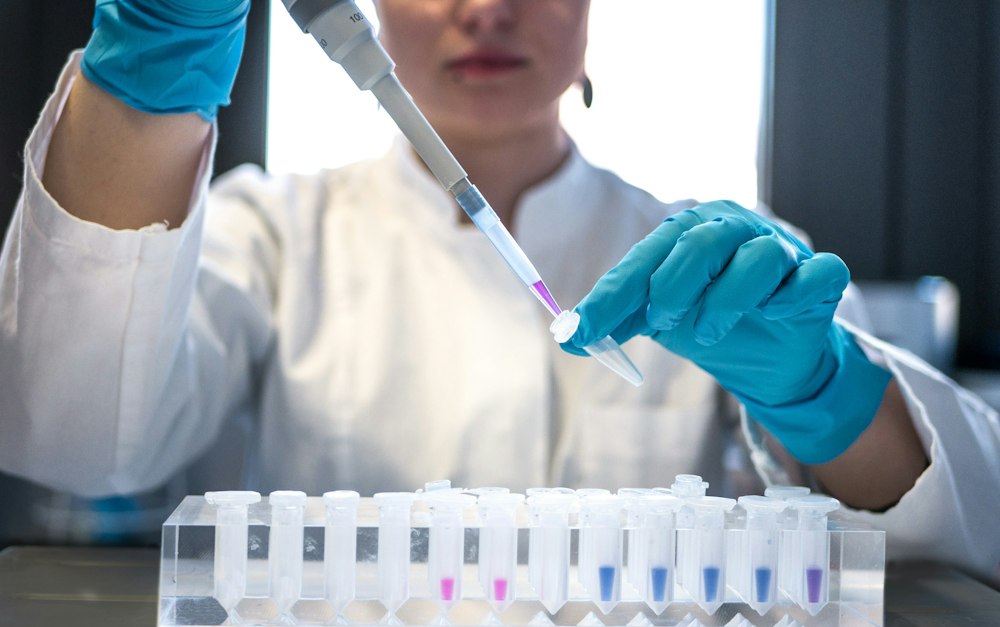
PPE, eyewash, spill kits, chemical segregation, BSC certification stickers. Photo log + quick wins.
Score likelihood x severity for every protocol. Owners, controls, residual risk. One page per hazard.
Rewrite top 10 SOPs in plain language. Add spill box, waste box, emergency box to each.
Mock spill, eyewash activation, after-hours call tree. Competency sign-off, not just attendance.
🧬 NIH + BMBL
Recombinant DNA, viral vectors, human materials, BSL determination flowcharts.
⚗️ OSHA Lab Standard
Chemical Hygiene Plan, exposure limits, medical surveillance triggers.
🌍 WHO + ISO 35001
Biorisk management system, leadership, continual improvement cycle.
Free download
Lab Self-Audit 2026: 87 checkpoints, scoring sheet, corrective action tracker.
Get checklistNew for 2026: AI-assisted SDS summaries, electronic lab notebook risk prompts, drone fieldwork addendum, and updated guidance on H5N1 environmental sampling PPE.
04 — Training that sticks
15-minute micro-lessons, not 3-hour slides
New to lab
PPE don/doff, hand hygiene, labeling, waste segregation. Quiz + buddy sign-off.
BSC & aseptic
Airflow smoke demo, working clean-to-dirty, spill inside cabinet drill.
Chemical master
Incompatibility game, hood sash discipline, peroxide testing strips.

Remote ready
Comms plan, bite/sting kit, water crossing, lone-worker check-ins.
How a 10-min spill drill saved a thesis — and a lung.
A grad student dropped a flask with phenol-chloroform. Because the lab had practiced the exact scenario two weeks earlier, containment took 4 minutes, exposure was decontaminated in 90 seconds, and the incident report became a teaching video viewed 38k times.
Read incident lessonsWhat labs say after audit
“They found the peroxide former from 2019 we all walked past. They fixed our waste flow without shaming anyone. Inspections now feel boring — in the best way.”
— Lab Manager, Microbiology, Midwest University
“Field plan caught a missing sat messenger before Greenland. That checklist literally matters when there’s no hospital.”
— PI, Arctic Ecology Team
05 — Safety bulletins / News
Fresh from the bench — 2025/2026
Short, actionable updates: regulation changes, incident lessons, new SOPs. Click any card to open the full briefing.
No bulletins yet — check back soon. In the meantime explore about our mission.
06 — FAQ
Asked in every audit
What is research safety, exactly? +
Do we need BSL-2 or BSL-3 for our virus work? +
How do we store incompatible chemicals? +
What PPE for H5N1 environmental sampling in 2026? +
How often to certify BSCs and fume hoods? +
Can you review our SOPs remotely? +
07 — Get protected
Book a free 20-min risk call
Tell us your agents, chemicals and field sites. We'll tell you your top 3 gaps and send the 2026 self-audit pack. No spam, no vendors.
- ✔ Reply within 1 business day
- ✔ NDA-friendly — anonymized case handling
- ✔ For universities, startups, hospitals, DIY-bio